
7 hr
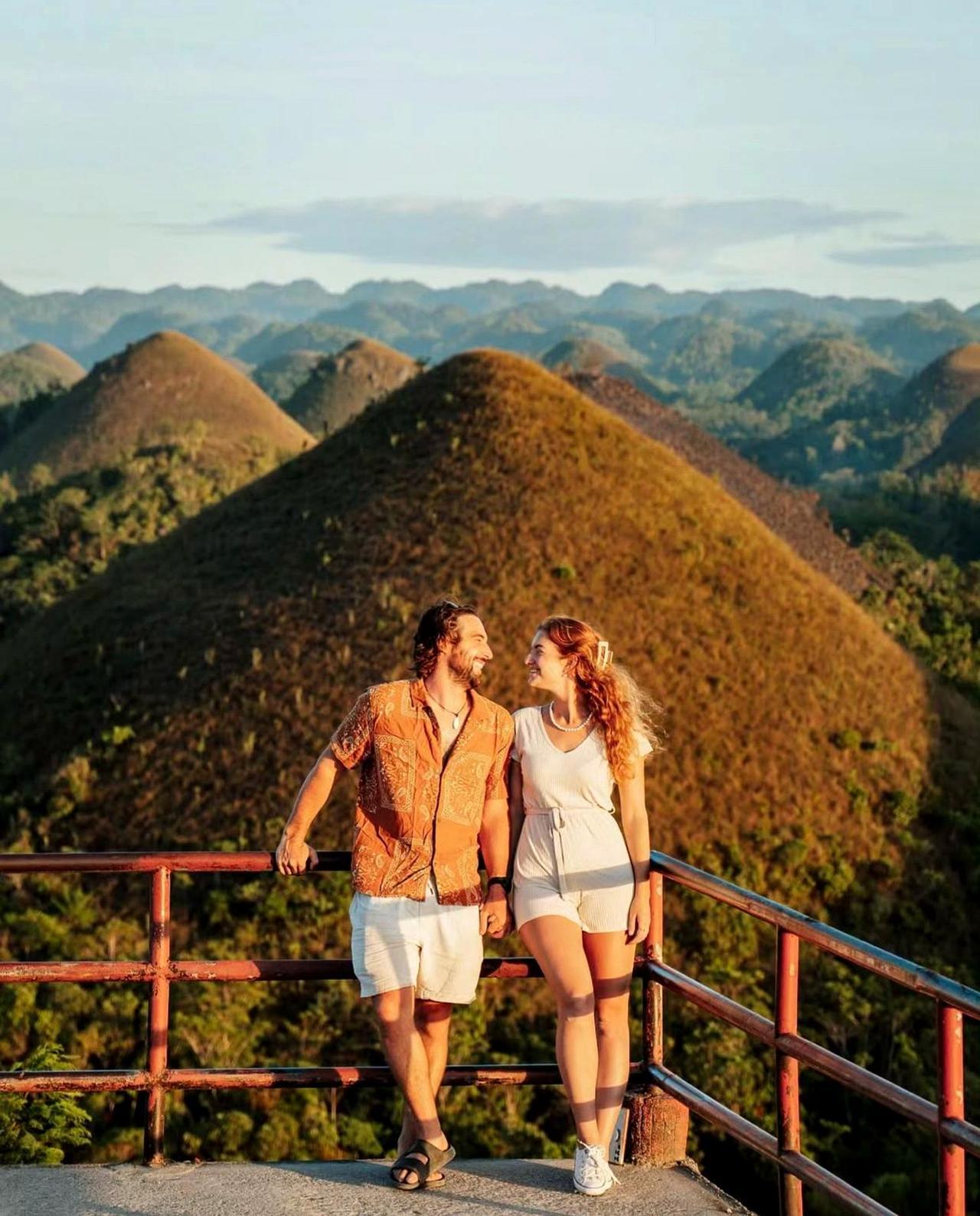
Bohol Premium: Chocolate Hills, Tarsiers & Loboc River Tour
A relaxed, fully coordinated day across Bohol's icons, with upgraded comfort and expert local guiding.
Reserve

Hand-picked by our editors — only the best 5 river experiences from 12 reviewed.
Verified partners for every tour, free cancellation where available, and instant confirmation on every booking.
7 hr
A relaxed, fully coordinated day across Bohol's icons, with upgraded comfort and expert local guiding.
Reserve
8 hr
Discover Bohol's iconic landmarks in comfort—tarsiers, Chocolate Hills, and river cruising await
Reserve
8 hr
Full-day Bohol escape: Chocolate Hills views, ATV trails, river lunch buffet & tarsier spotting.
ReservePrices from verified partners. Availability updates in real time at checkout. Free cancellation policies apply where shown.
The landmarks, rooms, and views travelers on this tour remember — all visible on a single visit.
Observe thousands of fireflies congregating in the trees along the riverbanks.
These trees often host the highest density of bioluminescent displays.
A tranquil section where the water reflects the shimmering light of the insects.
Witness the unique natural phenomenon where insects pulse their light in unison.
The Loboc River experience is ideal for those seeking a relaxed evening observation, while the Abatan River kayaking expedition offers a more immersive, active engagement with nature. They complement each other; most visitors who do both call the Loboc River boat cruise the more accessible and family-friendly choice.
| Feature | Top pick Loboc River Cruise | Abatan River Kayaking |
|---|---|---|
Experience intensity |
Relaxed and passive | Active and immersive |
Average group size |
10–20 passengers | 2–6 paddlers |
Difficulty level |
Low (no physical effort) | Moderate (requires paddling) |
Visibility of fireflies |
Consistent in mangrove clusters | High in dense habitats |
Primary mode of transport |
Motorized river boat | Sea kayak |
| See tickets → |
Verdict: Choose the Loboc boat tour for effortless evening comfort, or book the Abatan kayak bohol firefly tour tickets if you prefer a physically engaging adventure through the river ecosystem while utilizing your bohol firefly tour tours for professional guidance, ensuring your chosen bohol firefly tour tour provides the desired level of nocturnal wildlife interaction.
Choose your ticket, select your date, and reserve in under two minutes. Secure checkout handled by our verified partner.
Instant confirmation by email, with a mobile voucher you can save offline. No printing, no queuing at a collection desk.
Arrive at the entrance, show your voucher on your phone, and walk in. Most tickets include priority or skip-the-line access.
Practical details for your visit straight from our verified partners — hours, access, rules, and how to get there.
Wear light, comfortable clothing and bring a light jacket as the river breeze can feel cool at night. Insect repellent is recommended to protect against riverside mosquitoes.
Keep belongings minimal. Most boat operators recommend dry bags if you are taking a kayaking bohol firefly tour.
Flash photography is strongly discouraged as it disrupts the natural bioluminescence and the insects. Use a tripod and long-exposure settings for the best results.
Access to boats typically involves walking on flat concrete or bamboo jetties. Please confirm specific mobility requirements with your tour operator before booking your bohol firefly tour tickets.
This attraction is suitable for families, but small children should be supervised at all times near the water. Life vests are provided by all reputable operators.
Dining is not typically included in the boat cruise itself. Many visitors choose to eat in Loboc town before embarking on their evening bohol firefly tour.
Best time to go, insider tips, nearby landmarks, and the cancellation fine print — flip through to skim what matters to you.
Flexible, no hidden fees.
Cancellations must be made within the operator's specified window to receive a refund. Access to the bohol firefly tour is included in package fees; there is 0 PHP standalone entrance fee.
The riverbanks of Loboc hold one of Southeast Asia's densest concentrations of Pteroptyx fireflies, synchronized bioluminescent beetles that colonized the Bohol mangroves nearly four centuries ago. Spanish naturalists first documented the phenomenon in 1697, describing forests that "breathed light in perfect rhythm," though the species remained unclassified until British entomologist John Abbot's 1889 survey mapped twelve distinct flash patterns along a three-kilometer stretch of the Loboc River. The beetles aggregate in balite and nipa palm clusters, their collective pulsing governed by chemical signaling mechanisms researchers still don't fully understand. Commercial firefly watching emerged in the early 1990s when local fisher cooperatives converted bangka outriggers into silent electric-powered tour vessels, a transition mandated by the 1989 Bohol Environmental Code after kerosene lamps were found to disrupt mating cycles. Today's fleet comprises thirty-seven certified boats, each limited to twelve passengers and required to maintain five-meter buffer zones from nesting trees. Peak luminosity occurs between the new moon and first quarter, when males flash up to 120 times per minute to attract females hidden in leaf canopies. The display collapses entirely during full moons, a cyclical blackout that protects the species from nocturnal predators. The riverine corridor functions as a living laboratory. University of the Philippines biologists stationed at the Loboc Research Annex conduct year-round population counts, tagging individual trees with RFID sensors that measure flash frequency against water salinity and ambient temperature. Their 2024 census recorded 1.8 million beetles across the protected zone, a 14 percent increase from 2019 figures attributed to stricter mangrove replanting quotas. The ecosystem remains fragile — upstream agricultural runoff and illegal dynamite fishing periodically trigger die-offs, events that can reduce populations by half within weeks. Evening cruises depart from the Loay jetty, navigating a forty-minute route through secondary-growth mangroves where firefly density reaches 900 beetles per cubic meter during optimal conditions. Guides cut engines three hundred meters from the primary colonies, allowing boats to drift on tidal currents while passengers adapt to full darkness. The beetles occupy defined territories: Pteroptyx cribellata clusters near brackish confluences, while Pteroptyx bearni dominates fresher upstream reaches, each species distinguished by subtly different wavelengths biologists measure in nanometers.
"The beetles occupy defined territories, each species distinguished by subtly different wavelengths biologists measure in nanometers."
A step-by-step walkthrough of the visit — what you'll see, how long each stage takes, and the details that matter.
You board a narrow-hulled bangka at Loay dock just as purple drains from the western sky, settling onto wooden bench seats alongside ten other passengers while your guide performs a headcount and distributes life vests. The electric motor hums to life, propelling the boat into the main channel where the river narrows to fifty meters and overhanging branches form a botanical tunnel. Twenty minutes downstream the engine cuts completely, silence arriving so abruptly you hear water lapping against the hull and distant frog calls from the mudflats. Your eyes adjust slowly, pupils dilating in stages until the first flickers register — pale green sparks on the port side, initially mistaken for reflections. Then the entire treeline ignites in synchronized pulses, thousands of fireflies flashing in two-second intervals like a living metronome. You drift closer, close enough to distinguish individual beetles perched on leaf edges, their abdomens glowing and fading in chemical rhythm. The guide whispers that you're witnessing male courtship displays, each flash a bioluminescent proposition. Fifteen minutes into the drift, clouds obscure the crescent moon and the fireflies intensify, their collective output bright enough to read by. The boat completes a slow rotation before the motor restarts, returning you upriver through darkness now absolute.
The Loboc River tour is open daily from 18:00–21:00.
There is 0 PHP standalone entrance fee; access is strictly via boat tour packages.
The best arrival window is 18:00–20:00 for optimal visibility after sunset.
Yes, children are welcome on these tours, provided they wear life vests and stay seated.
Yes, but please avoid using camera flash to protect the fireflies' natural environment.
The location is in Loboc, Bohol, accessible by car or van from Tagbilaran or Panglao.
Accessibility varies; guests should check with their specific provider regarding boat boarding.
Yes, booking your bohol firefly tour tickets early is highly recommended to secure your spot.
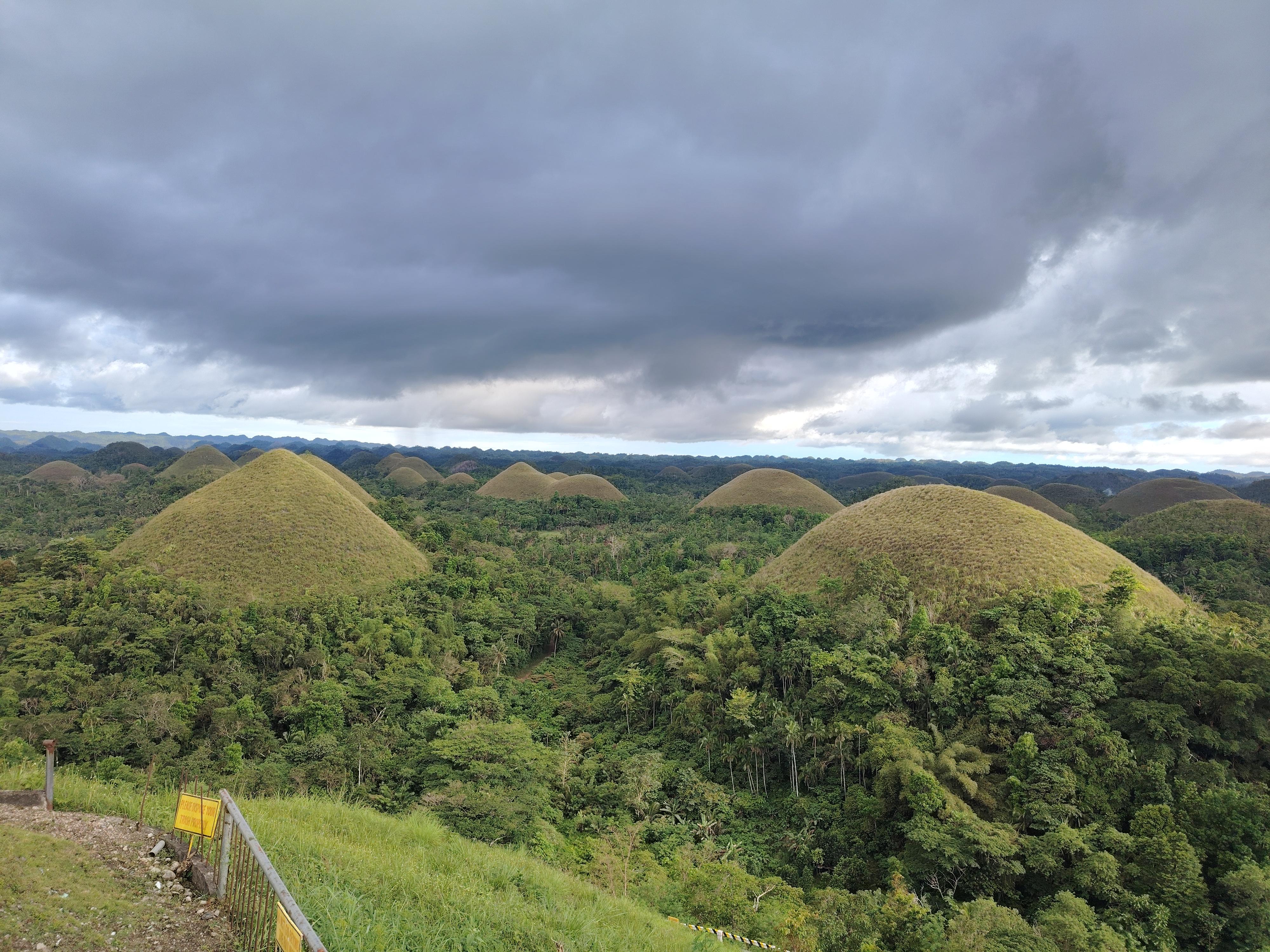
Yes, many visitors combine the tour with visits to the Chocolate Hills or the Tarsier Sanctuary.