
English| EUR
Suggested for you
More currencies
Choose a language
The Loboc River firefly display draws visitors nightly between 18:00 and 21:00, but whether the experience justifies the 850 PHP entrance fee depends on expectations, timing, and tolerance for shared boat tours. This guide covers the practical realities—what the tour delivers, when visibility peaks, and which factors separate a memorable evening from a rushed disappointment.
Quick answer
Firefly watching in Bohol is worth it for visitors who value rare natural displays and don't mind guided group experiences. The Loboc River tour operates daily from 18:00 to 21:00, costs approximately 850 PHP, and delivers close-range views of synchronized bioluminescent colonies along mangrove-lined banks. Visibility depends entirely on darkness—arrivals between 18:00 and 20:00 offer the strongest displays. The experience lasts roughly thirty to forty minutes and suits travelers seeking low-impact wildlife observation rather than adrenaline or photography opportunities.
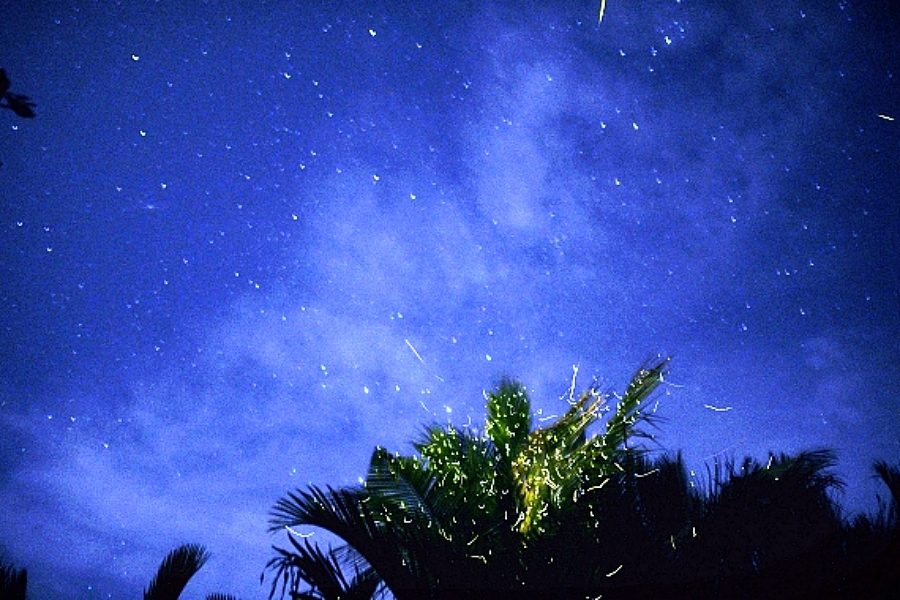
The Loboc River holds one of Southeast Asia's densest concentrations of Pteroptyx fireflies, a species that synchronizes its bioluminescent pulses across entire trees rather than flashing independently. On a moonless night with cooperative weather, the mangrove canopy along certain bends transforms into a living constellation—thousands of insects pulsing in unison at intervals precise enough to measure. That synchronization, rare outside a handful of tropical river systems, anchors the tour's appeal and separates it from casual firefly sightings elsewhere in the Philippines. The question of whether firefly watching in Bohol is worth it hinges on three variables: the visitor's tolerance for structured group tours, the weather window, and arrival discipline. Tours depart in shared outrigger boats that hold twelve to fifteen passengers, with operators running continuous loops between 18:00 and 21:00. Darkness governs visibility—the earlier in the evening you depart, the weaker the display; arrivals after 19:30 catch fuller darkness but risk crowded boats and shortened routes. Cloud cover helps by blocking ambient light, while rain scatters the insects and cancels the spectacle entirely. The tour itself is passive: no hiking, no wading, no handling. Guides pole the boat slowly along mangrove corridors, pausing at trees where colonies cluster, and the only sounds are water lapping and the occasional rustle of wings. The Loboc River firefly cruise delivers a single, narrow experience rather than a multi-layered attraction. There are no interpretive centers, no supplementary wildlife walks, no dining pavilions. You pay 850 PHP, board a boat, drift through fifteen to twenty minutes of illuminated mangroves, and return. That simplicity disappoints visitors expecting a curated nature park but satisfies those seeking unmediated access to a specific phenomenon. Photographers struggle—the insects are too dim and too fast for phone cameras, and flash destroys night vision across the boat. Families with young children report mixed results; toddlers lose interest quickly, while school-age kids reliably engage if the display is strong. Context matters when evaluating value. The 850 PHP entrance fee covers boat rental, guide service, and site access but excludes transport to Loboc, which sits roughly twenty-five kilometers east of Tagbilaran. Visitors combining the firefly tour with a daytime Loboc River cruise or a stop at nearby Busay Falls report stronger satisfaction than those driving solely for the evening departure. The tour operates year-round, but the dry months between March and May produce the most predictable conditions. Monsoon season brings frequent cancellations, and the weeks surrounding the full moon diminish contrast enough that even dense colonies appear muted. Solo travelers and couples consistently rate the experience higher than large groups, likely because smaller boats maneuver more quietly and linger longer at prime viewing points. Whether the Bohol firefly watching experience justifies its cost depends less on the insects themselves—they perform reliably when conditions align—and more on how the tour fits within a broader itinerary and whether the visitor values witnessing ecological rarity over recreational variety. The Loboc River offers no substitutes and no second chances if the weather turns; it rewards the prepared and punishes the spontaneous.
“The mangrove canopy transforms into a living constellation, thousands of insects pulsing in unison at intervals precise enough to measure.”
The best arrival window for firefly watching is 18:00–20:00. Darkness is essential for visibility of the firefly display along the riverbanks.
Stable, 25°C to 32°C
Clear skies provide optimal viewing conditions without rain interference.
Occasional rain, 24°C to 31°C
Cloud cover can fluctuate, but fireflies remain active following brief showers.
—
Visiting midweek offers a quieter experience on the river for better observation.
Verdict: The best slot is Monday to Thursday, arriving at 18:00, during the dry season months of March or April.
Firefly watching tours on the Loboc River operate on a consistent schedule throughout the week to ensure optimal viewing conditions.
Firefly watching takes place along the Loboc River, located in the municipality of Loboc, Bohol, Philippines. The most common approach for visitors is traveling from Tagbilaran City via private car or local transport.
Via Bohol Circumferential Road from Tagbilaran
From Dao Integrated Bus Terminal to Loboc
Direct transfer from Tagbilaran City
The site is accessed via Loboc River, Loboc, Bohol, Philippines. Coordinate your transport to arrive within the 18:00–20:00 window to ensure sufficient darkness for the tour.
Maximizing your time on the Loboc River requires specific preparation to ensure the local environment remains conducive to firefly activity.
Turn off your camera flash and shield your smartphone screen, as artificial light disrupts the fireflies' natural signaling behavior. Using night mode settings on cameras allows for better observation without affecting the colony.
Apply DEET-free or natural repellents before boarding the boat to avoid harming the delicate river ecosystem. Strong chemical sprays can be toxic to the fireflies and other sensitive riverbank organisms.
Maintain low volume levels while on the river, as the boat operators rely on silence to navigate safely and keep the wildlife undisturbed. Quiet observation often results in fireflies landing closer to the watercraft.
Wear lightweight, long-sleeved clothing to provide natural protection against mosquitoes while remaining comfortable in the river's high humidity. Loose, breathable fabrics are preferred over heavy gear.
Understand that firefly visibility fluctuates based on weather conditions such as recent rainfall or heavy wind. Calm, clear evenings provide the highest probability of observing dense concentrations of fireflies in the trees.
Everything you need to know about is firefly watching in bohol worth it
Determining if firefly watching in bohol is worth it depends on your interest in quiet, nature-focused evening activities along the riverbanks. Visitors often find the bioluminescent glow of the mangrove trees to be a tranquil highlight of their Bohol itinerary. Many travelers conclude that is firefly watching in bohol worth it for the unique perspective it offers on local biodiversity. The primary appeal of this river cruise is the opportunity to observe nocturnal colonies of fireflies in their natural habitat within the serene environment of Loboc. Guests typically enjoy the calm atmosphere as the boat drifts under the canopy of trees. This excursion is generally considered a peaceful outing for families with children, provided that younger guests can remain quiet to avoid disturbing the wildlife. Parents often ask if firefly watching in bohol is worth it as a way to introduce children to ecological wonders in a guided setting. Please ensure children remain seated safely inside the boat throughout the duration of the trip. Darkness is essential for visibility of the firefly display along the riverbanks, so the best arrival window is 18:00–20:00. Arriving during this timeframe ensures you are on the water when the light levels are optimal for viewing. Firefly activity remains a natural phenomenon that can be influenced by weather patterns such as heavy rain or strong wind. While tours generally operate during these conditions, visibility may fluctuate depending on the behavior of the insect colonies. It is advisable to monitor local weather reports before heading to the river. Booking inquiries are handled through local providers who manage the logistics and boat operations at the site. Coordination with a service provider in advance helps ensure availability for your preferred evening. You can use the booking widget on this site to connect with authorized tour operators.